

Used Truck Inspection Checklist
Wareing Motors
Used truck inspection checklist
A walk-around list for any make. Use it before you buy a used truck from the Wareing Motors group inventory.
A used truck can hide a hard life under a fresh wash. Frame rust, a tired 4×4, a bent bed, or a hitch that already did too much work will cost more than a higher asking price. Mileage is one clue. It is not the whole story.
This checklist is for Ford, Chevy, Ram, GMC, Toyota, and anything else on a mixed lot. It is not a Ford-only page and it is not tied to one store. Shop the group used-truck hub, then visit the rooftop that has the truck.
Start inventory at used trucks for sale. This page stays on inspection steps.
We follow the same idea Consumer Reports uses on used cars: history first, then body and mechanical, then a real test drive. Trucks add frame, 4×4, bed, and hitch checks on top.
Before you inspect the truck
Bring a flashlight, paper towels, a tire tread gauge, a phone charger, work gloves, and this truck inspection checklist. Ask the seller not to warm the engine before you arrive. A cold start can reveal sounds and warning lights that disappear later.
Inspect in daylight on dry ground when possible. Do not crawl beneath a vehicle supported only by a jack. Do not open a radiator cap on a hot engine. If access or safety equipment is not right, leave the underbody inspection to a qualified shop.
1. Paperwork before you crawl underneath
- Match VIN on the dash, door sticker, and title.
- Confirm title status. Salvage, rebuilt, and flood brands need professional review and a price that reflects the history.
- Read a vehicle history report. Treat it as a clue, not a blessing.
- Ask for maintenance records, recall work, and who used the truck (ranch, fleet, highway, plow).
- Photograph the driver’s door certification label: GVWR, GAWR, and payload-related weights.
Verify open recalls by VIN through the manufacturer or NHTSA. Private sellers and dealers should both be able to give you the VIN before a serious inspection.
2. Frame, rust, and accident repair
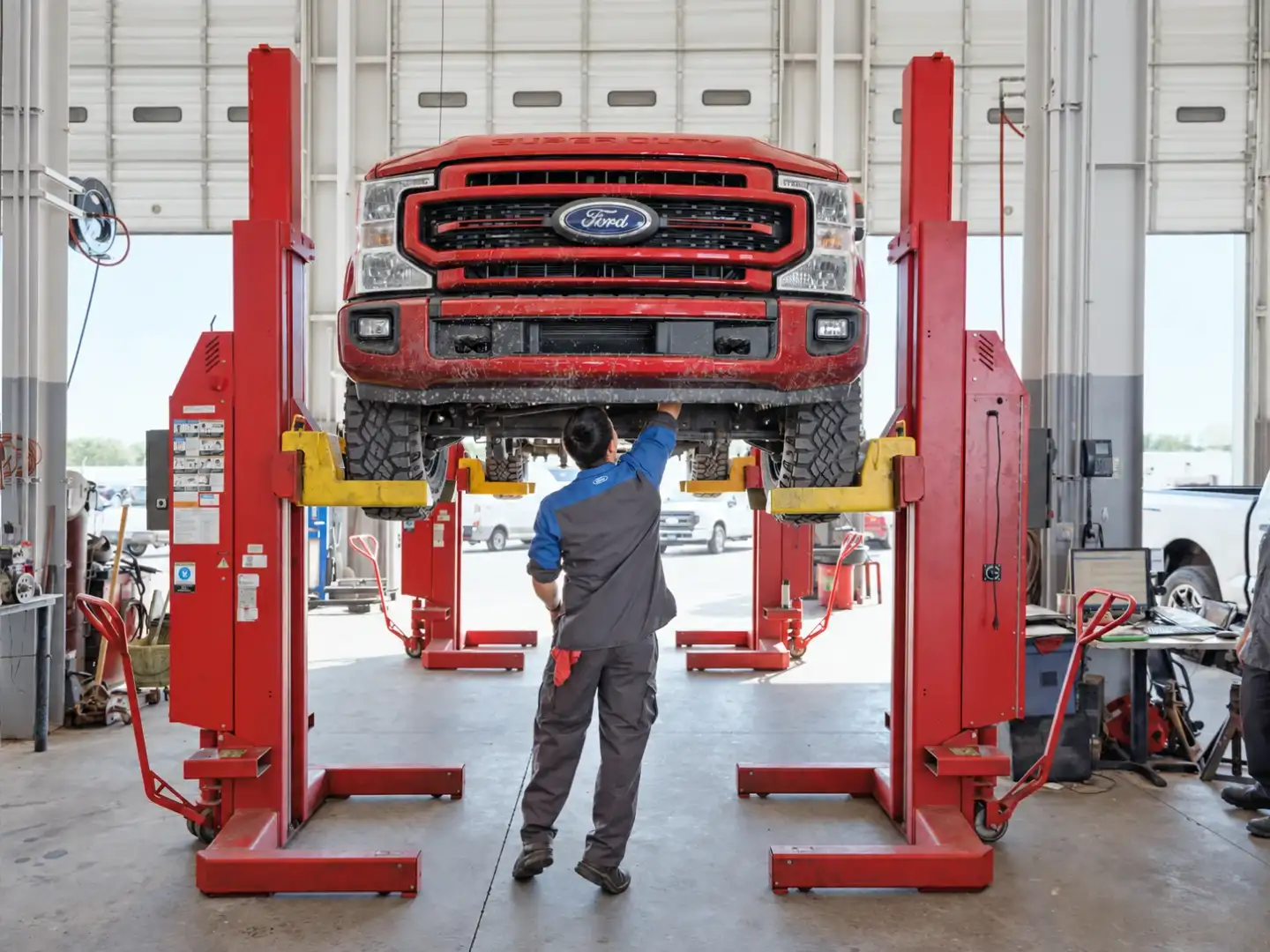
Get a light under the truck. Follow the frame rails, cross members, cab mounts, floor pan, and wheel wells. Surface rust is different from structural rust that flakes, swells around seams, or weakens mounting points. Holes, crimped repairs, and fresh undercoating over damaged metal are not normal wear.
Look at bed-to-cab alignment, tailgate gaps, body seams, and misaligned panels. Open the hood and compare welds, fasteners, and paint from side to side. Check doors and rubber seals for water entry. A musty cabin, damp floor mats, or corrosion in unusual places can justify a deeper flood inspection.
3. Engine, leaks, and cooling
- Cold start if you can. Listen for knock, tick, belt noise, and uneven idle with the engine running.
- Check engine oil level and condition. Look beneath the oil fill cap for heavy sludge or unusual residue.
- Check coolant in the reservoir only when the system is cool. Inspect hoses, radiator, and fan shroud for leaks or damage.
- Check transmission fluid if the manufacturer provides a safe owner-level procedure. A burnt smell or low fluid needs professional diagnosis.
- Look for fluid leaks on the engine, transmission, transfer case, axles, steering system, and ground where the truck was parked.
- Inspect the exhaust system for damage, heavy corrosion, missing parts, and leaks a technician should confirm.
- Diesel: ask about regen, exhaust aftertreatment lights, and fuel-system work. Do not guess DPF health from a clean tailpipe.
- Gas turbo trucks: ask about cooling system service and who towed heavy.
4. Transmission, 4×4, and brakes
Shift through every gear on the test drive. Watch for delayed engagement, flare, harsh shifts, vibration, or a burnt smell. Four-wheel drive high and low need an appropriate loose surface and the manufacturer’s engagement procedure. Listen for transfer-case grind, front-axle clunk, or binding.
The brake pedal should feel consistent and the truck should stop straight. Pulsing, grinding, pulling, a soft pedal, or warning lights need diagnosis. Check brake fluid condition and leaks without opening a system you are not qualified to service.
Confirm brake lights, turn signals, headlights, hazard lights, trailer wiring, parking brake, and backup camera. These are safety checks, not small cosmetic details.
5. Tires, suspension, bed, and hitch
- Read tire date codes. Four old tires are a line-item, not a bonus.
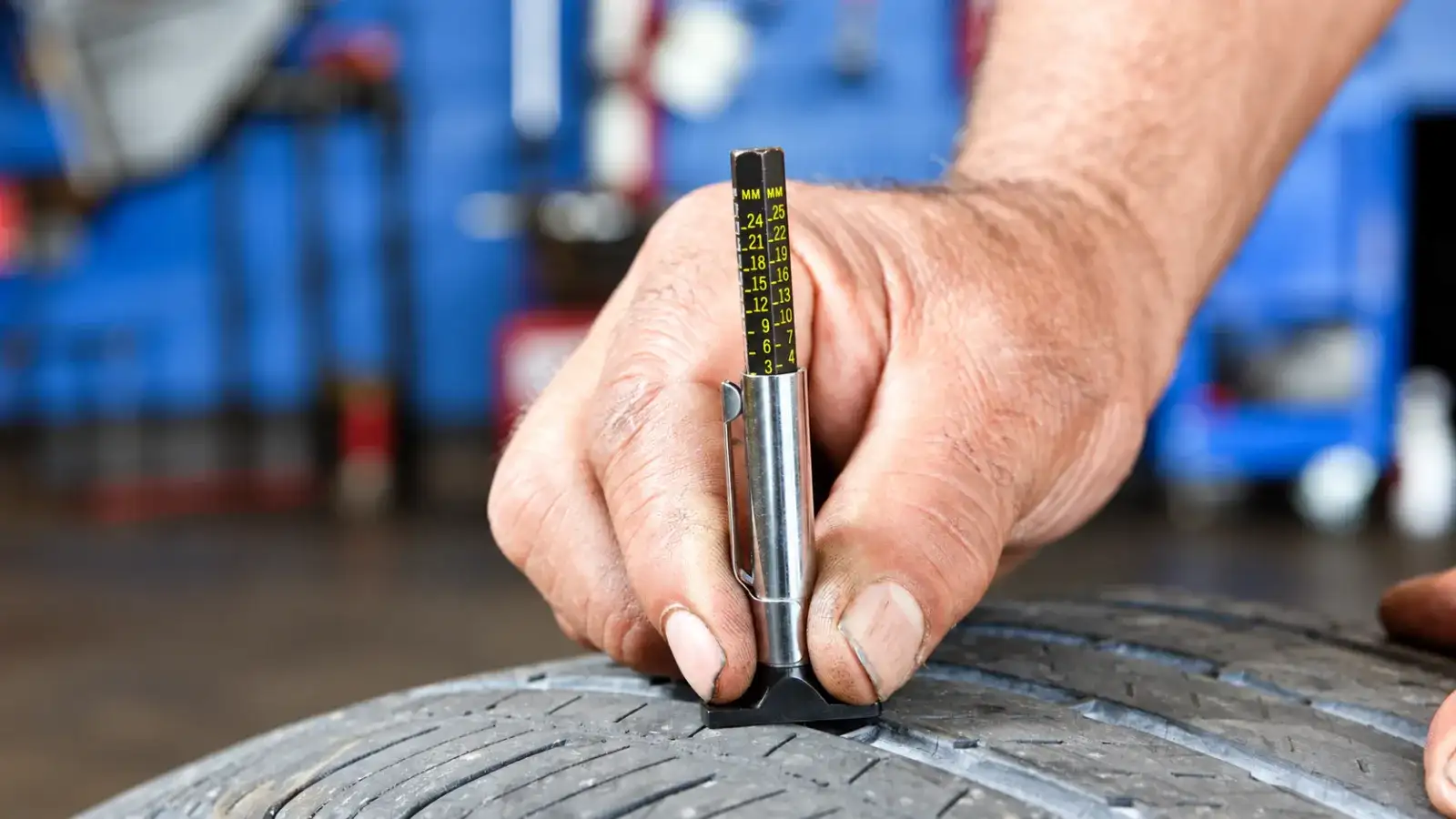
- Measure tread depth across all four tires. Uneven wear can point to alignment, suspension parts, steering wear, or axle damage.
- Check that tire size, load rating, and type match across each axle. Mixed tires can change handling and four-wheel-drive behavior.
- Push on the bed rails and look at the floor for rot or spray-in covering holes.
- Inspect the receiver, gooseneck ball, or fifth-wheel rails for cracked welds and stretched holes.
- Aftermarket lift or wheels: ask who installed them and whether the truck was re-geared or re-aligned.
6. Cabin, controls, and warning lights
Turn the key to the on position and confirm the warning lights illuminate, then go out after startup as expected. A missing check-engine light can be as concerning as one that stays on. Scan diagnostic codes before purchase if the seller permits it.
Test every power window, lock, mirror, seat control, heater, air conditioner, outlet, camera, infotainment function, and key. Check the windshield for chips in the driver’s view. Look beneath floor mats for moisture or rust.
Wear inside should make sense for the mileage. A collapsed seat, polished pedals, damaged hitch controls, or heavy bed wear can point to more work than the odometer alone suggests.
7. Test drive that matches the work
Use city streets, highway speed, a hill, and a stop-and-go stretch when conditions allow. Listen with the radio off. Watch engine temperature and transmission temperature if gauges exist. Check steering return, vibration, cruise control, and braking from a safe speed.
If you will tow, say so. We can talk through hitch class and the payload left after people and fuel. We will not invent a trailer weight for you.
8. Ask better seller questions
- Why is the truck being sold, and how long has the current owner had it?
- What did it tow or haul, and how often?
- Has it been used for plowing, commercial work, ranch work, or frequent idling?
- Which repairs and maintenance are documented?
- What modifications were made, and who installed them?
- Can an independent shop complete a pre-purchase inspection?
9. Price the remaining work
Tires, brakes, fluid leaks, damaged wiring, or cab-corner rust should show up in the offer. A cheap truck with a rotten frame is not a deal.
Wareing Motors can help you compare trucks across Belle Fourche, Sturgis, and Sheridan from the group hubs: used work trucks, used heavy duty, and finance.
Printable short list
- ☐ VIN, title brand, history report, door-label weights
- ☐ Frame, cab mounts, accident seams
- ☐ Leaks, cold start, cooling
- ☐ Shifts, 4×4 high/low, brakes
- ☐ Tires, bed, hitch, lift work
- ☐ Cabin controls, safety lights, wiring
- ☐ City and highway test drive
- ☐ Seller questions and independent inspection
- ☐ Price the repairs before you sign
Used truck inspection FAQ
What should I inspect first on a used truck?
Title and VIN, then the frame. Pretty paint on a rotten rail is still a rotten rail.
Is a history report enough?
No. Reports miss private work, unreported hits, and ranch use. Use the report, then still crawl the truck.
Do I need a pre-purchase inspection?
If the money is serious, yes. A tech with a lift will see leaks and play you will miss on your knees in a lot.
What mileage is too high for a used truck?
There is no universal cutoff. Compare mileage with age, engine hours when available, maintenance records, towing or fleet use, rust, leaks, and inspection results. A documented higher-mile truck can be a better buy than a neglected lower-mile one.
Which used truck is the most dependable?
No make or model is dependable in every configuration and condition. Start with the truck that fits your work, then use service history, recall status, condition, and an independent inspection to judge the specific vehicle.
Where do I shop used trucks at Wareing Motors?
Start at the Wareing Motors used trucks for sale hub so you stay on the group site.


0 comment(s) so far on Used Truck Inspection Checklist