

4WD vs AWD: Which Is Better for Winter Driving
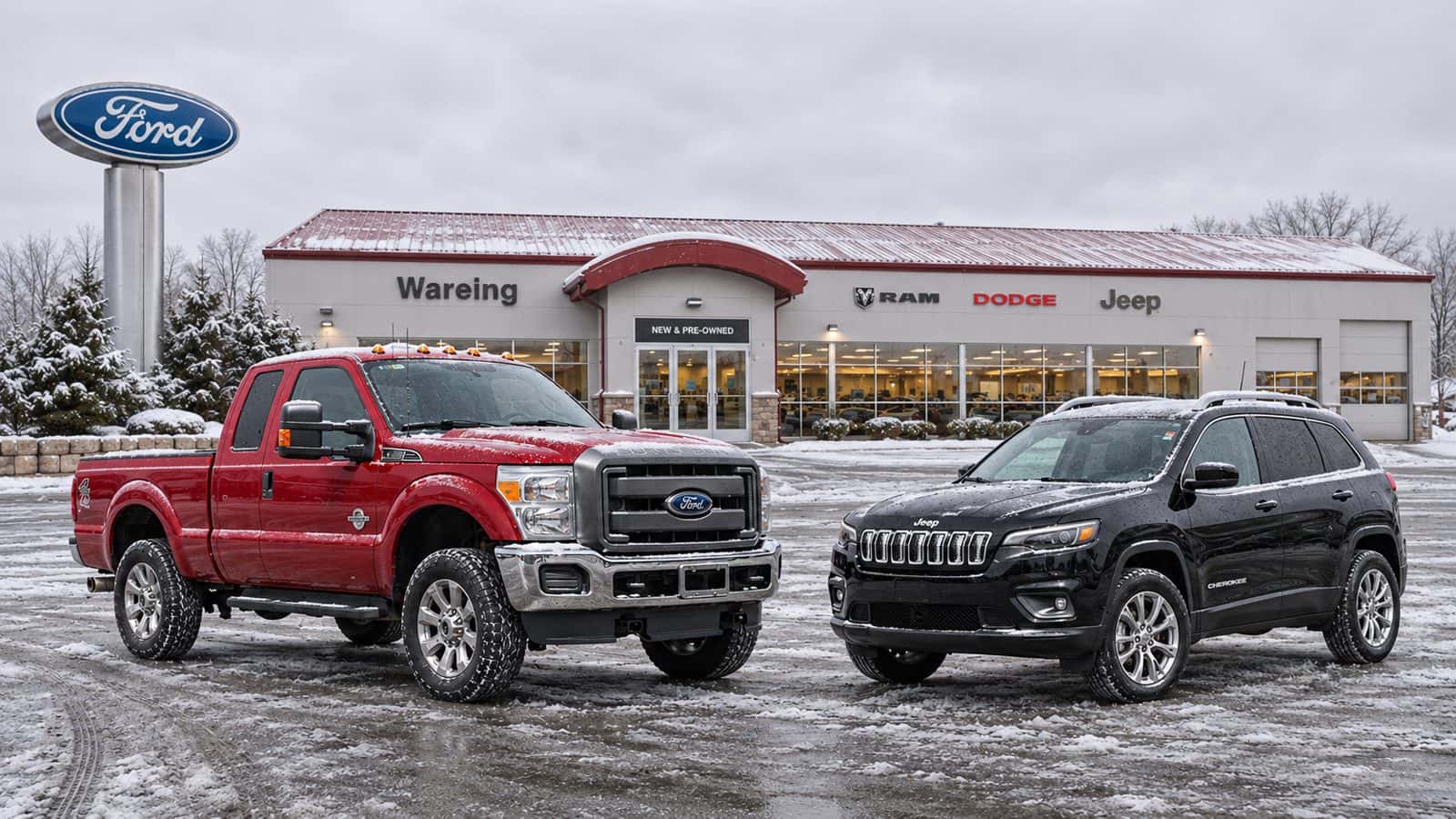
Wareing Motors
How each drivetrain works, which one fits a Black Hills winter, and what to check before you buy used.
AWD is usually better for plowed winter roads and daily driving, since it works on its own with no driver input. 4WD is often the better pick for deep snow, unplowed ranch lanes, and towing in slick conditions, since many 4WD trucks add more ground clearance and a low range.
Neither one helps you stop. Brakes and tires do that. Good winter tires matter as much as the drivetrain.
How 4WD and AWD work
AWD (all-wheel drive) can send power to all four wheels. Some AWD systems drive all four wheels all the time. Others run mostly through the front or rear wheels and send power to the other axle when they sense or predict slip. You do not have to touch anything. It is common on crossovers, SUVs, and some cars.
4WD (four-wheel drive) uses a transfer case to send power to both axles. Part-time 4WD stays in two-wheel drive until you select 4High or 4Low. Do not drive a part-time system in 4WD on dry pavement. It can bind the driveline in turns and cause damage. Full-time and automatic 4WD systems can run on pavement. Many 4WD trucks and body-on-frame SUVs also offer a 4Low range for slow, steep, or deep conditions.
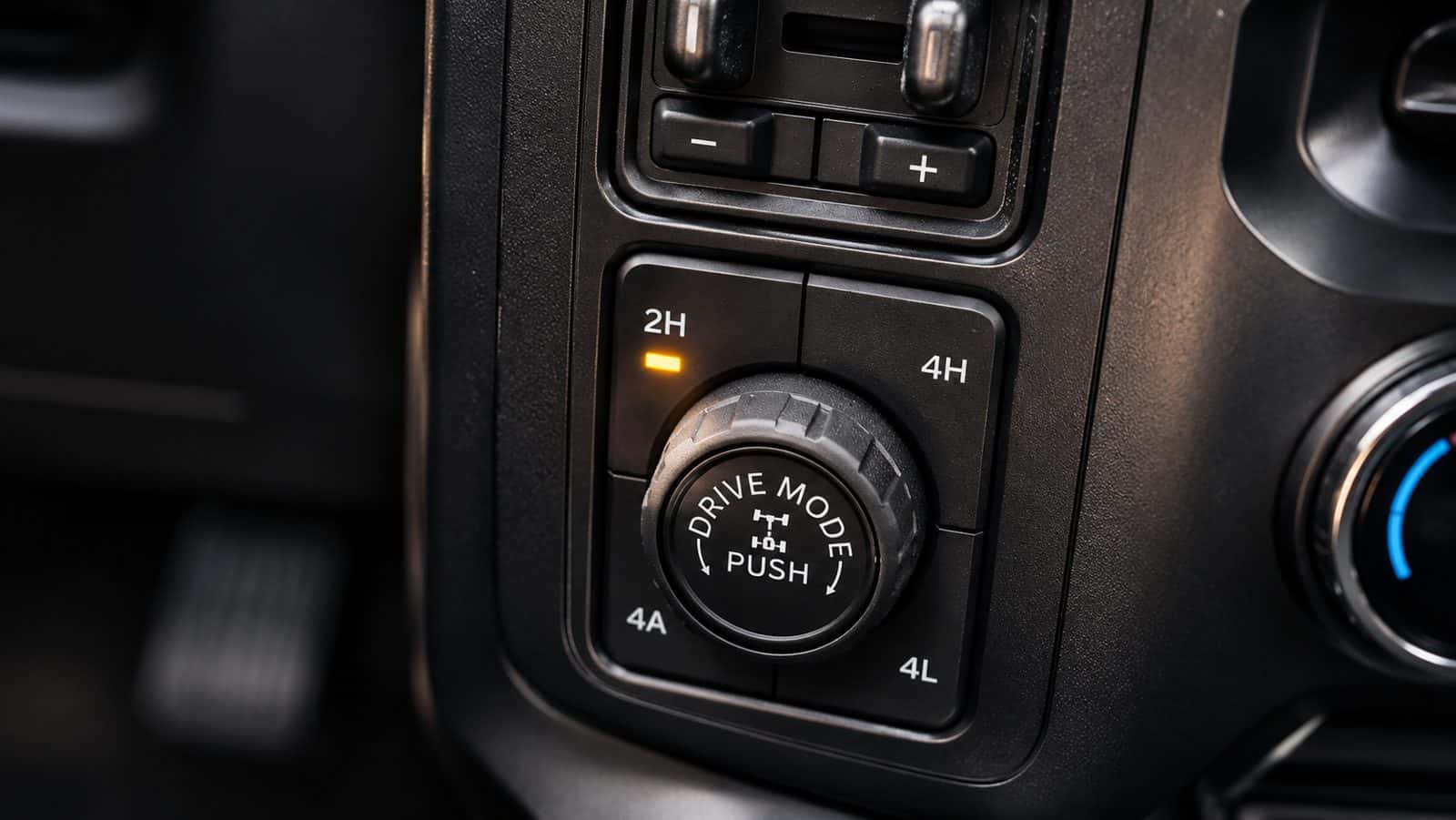
4WD vs AWD side by side
| Factor | AWD | 4WD |
|---|---|---|
| Driver input | None, automatic | Often selected by the driver |
| Low range | Rare | Common (4Low) |
| Plowed roads | Strong | Strong in 4High or auto mode |
| Deep snow and ranch lanes | Limited by ground clearance | Often better, with more clearance and a low range |
| Towing in slick conditions | Depends on vehicle rating | Check the vehicle’s tow rating |
| Typical vehicles | Crossovers, SUVs, cars | Pickups, body-on-frame SUVs |
Which is better in snow?
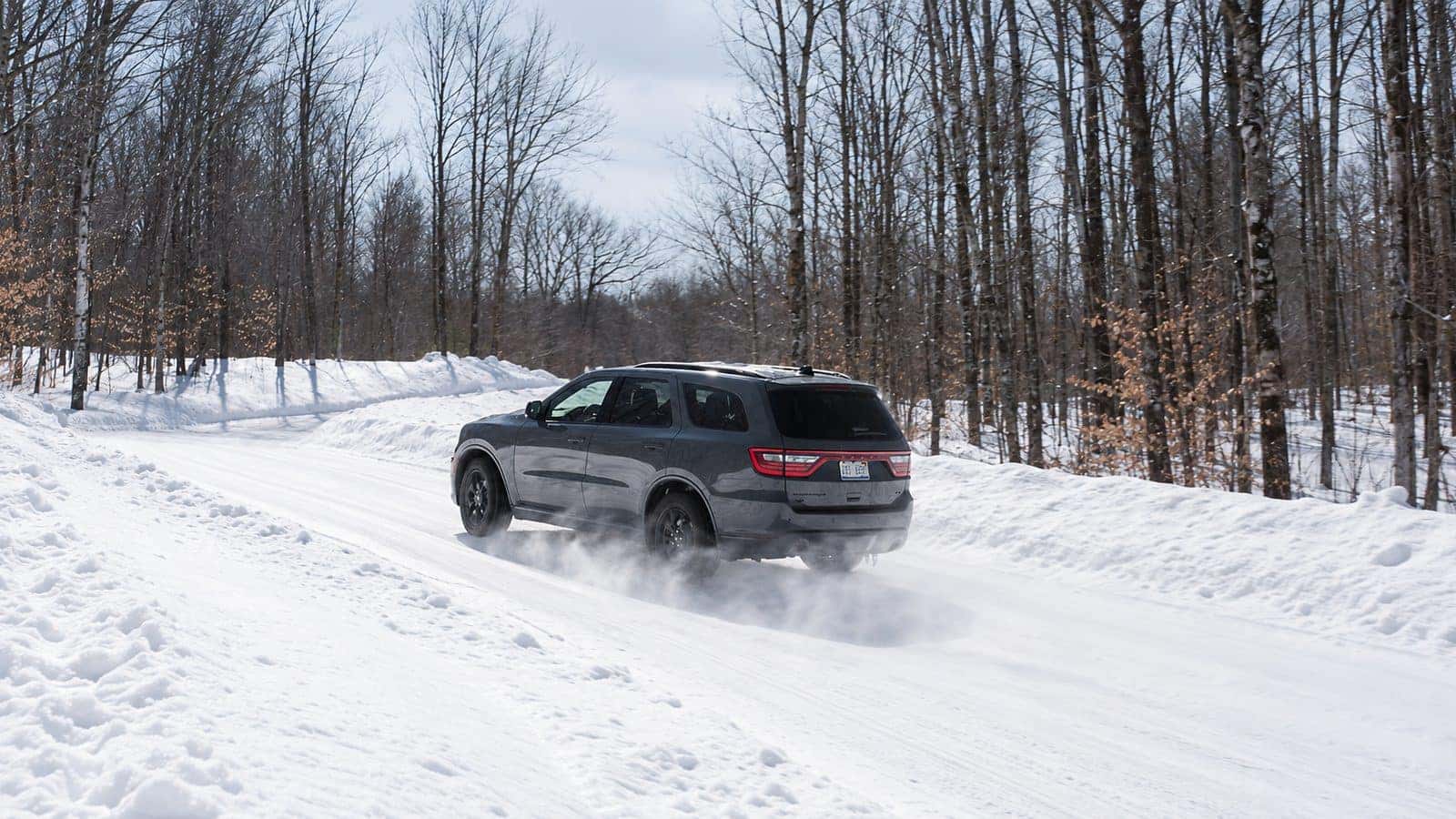
For town streets, I-90, and plowed highways, AWD does the job well and asks nothing of the driver. For drifted gravel roads, a ranch driveway that never sees a plow, or pulling a trailer up a slick grade, a 4WD truck with good tires and enough ground clearance is usually the stronger choice.
Both systems help you get moving. Neither one shortens stopping distance or helps you turn on ice. Slow down, leave space, and run tires rated for winter. A vehicle with average tires and a great drivetrain can still slide past a stop sign.
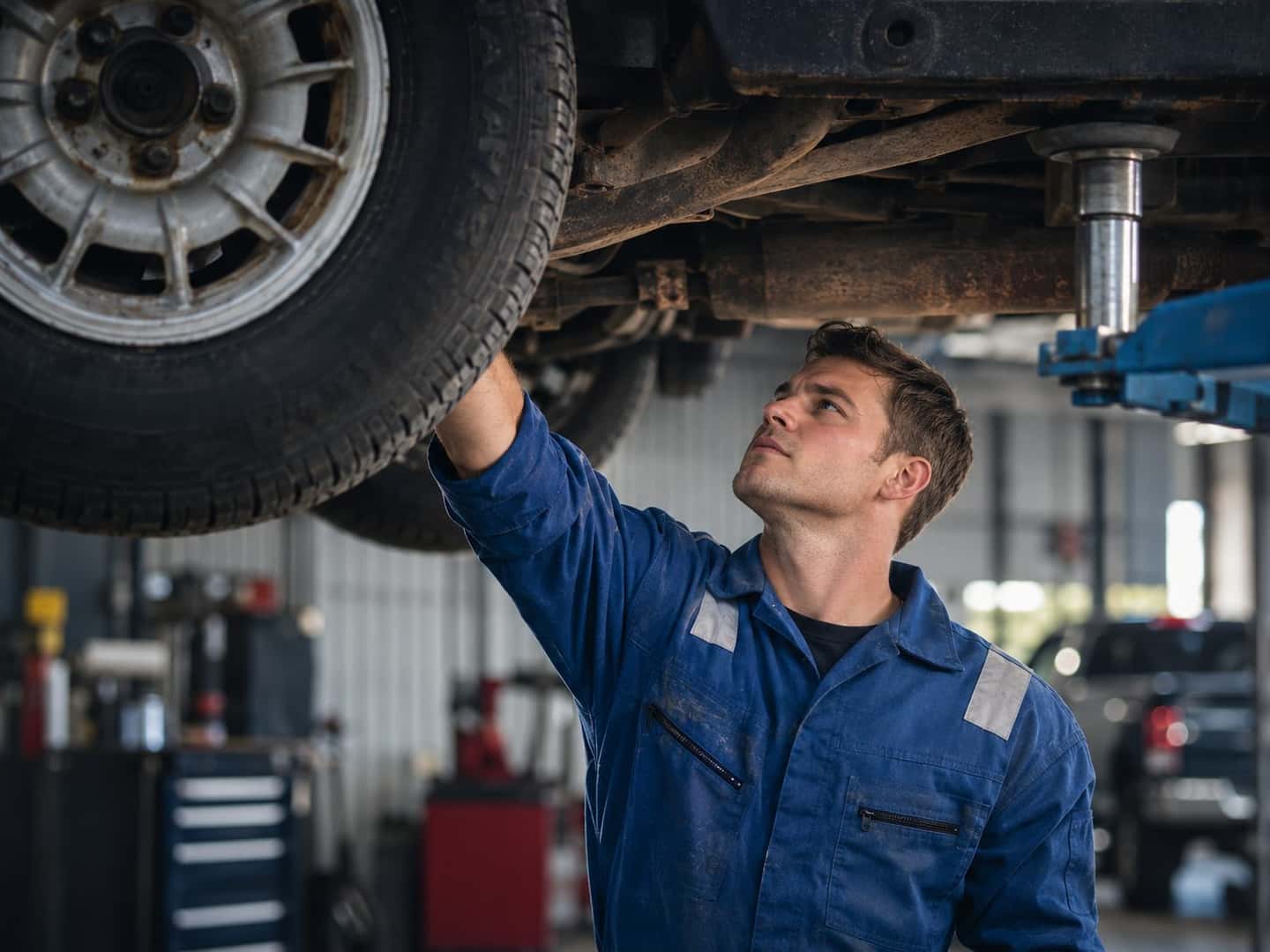
What to check on a used 4WD or AWD vehicle
- On a loose or wet surface during your test drive, engage 4High and 4Low and confirm the dash indicator lights and the system shifts cleanly.
- Listen for clunks, binding, or grinding in tight turns, which can point to driveline wear.
- Ask for transfer case and differential fluid service records.
- Check that all four tires match in brand, size, and wear, since many AWD systems are sensitive to mismatched tires.
- Run the VIN through NHTSA recalls before you buy.
Our used truck inspection checklist and used 4×4 trucks buying guide go deeper on what to look for.
Which should you buy?
- Choose AWD for commuting, town driving, and plowed highways, especially in a used SUV or crossover.
- Choose 4WD for ranch work, unplowed roads, towing, and anything that needs a low range.
Wareing Motors lists used trucks and SUVs from across the Wareing group. Start with used trucks for sale and filter by drivetrain.
4WD vs AWD FAQ
What is the difference between 4WD and AWD?
AWD sends power to all four wheels automatically, either all the time or when the system detects slip. 4WD uses a transfer case to drive both axles and often adds a low range. Part-time 4WD is selected by the driver.
Is AWD or 4WD better in snow?
AWD is usually better for plowed roads and daily winter driving. 4WD is often better for deep snow, unplowed roads, and towing on slick surfaces, especially with good ground clearance. Winter tires matter as much as either system.
Can you leave 4WD on all the time?
No, not with part-time 4WD. Keep it in two-wheel drive on dry pavement, because 4WD there can bind the driveline and cause damage. Full-time and automatic 4WD systems are designed to run on pavement. Check the owner’s manual for your vehicle.
Does AWD help you stop faster on ice?
No. AWD and 4WD help you accelerate and keep moving. Stopping and turning on ice depend on your tires, speed, and following distance.
What should I check on a used 4WD truck?
Test 4High and 4Low on a loose surface, listen for clunks in tight turns, ask for transfer case and differential fluid records, check that tires match, and run the VIN through NHTSA recalls.
Shop used 4WD and AWD at Wareing Motors
Browse used trucks and used SUVs across the Wareing group, then compare financing options.


0 comment(s) so far on 4WD vs AWD: Which Is Better for Winter Driving