

Used Car vs SUV: Which Is Right for You?
Wareing Motors Buying Guide
Used Car vs SUV: Which Is Right for You?
A body style name cannot answer passenger count, cargo shape, parking, fuel use, or winter tires for you.
A used car and a used SUV can both handle daily commuting, errands, highway trips, and family driving. The right vehicle type starts with your driving habits, personal preferences, what you carry, where you park, and how the seats feel.
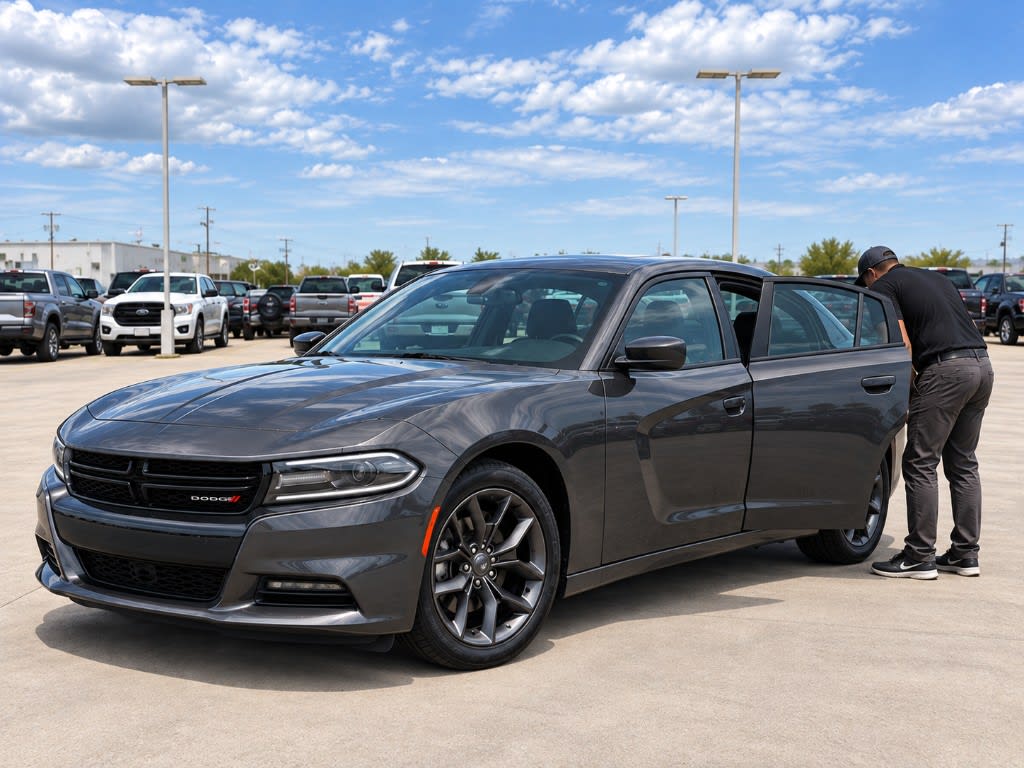
Think through a normal Tuesday before you picture a perfect road trip. How many people ride with you? Do you load a stroller, tools, sports gear, groceries, a dog crate, or luggage? Does your garage have a low door or a short parking bay? Do you prefer stepping down into a seat or sliding across to a taller seat?
Start here
Used car vs SUV: start with how you drive, not the badge
People
How many ride most days? Sit in the second row. Child seats, dogs, and backpacks change the answer.
Cargo
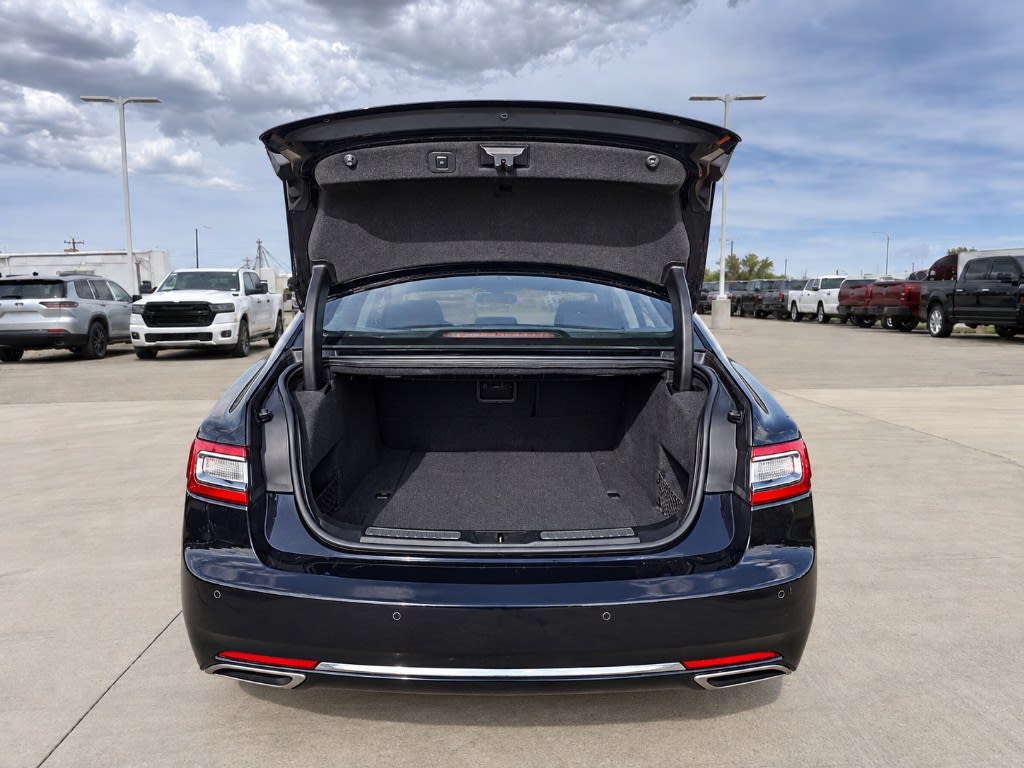
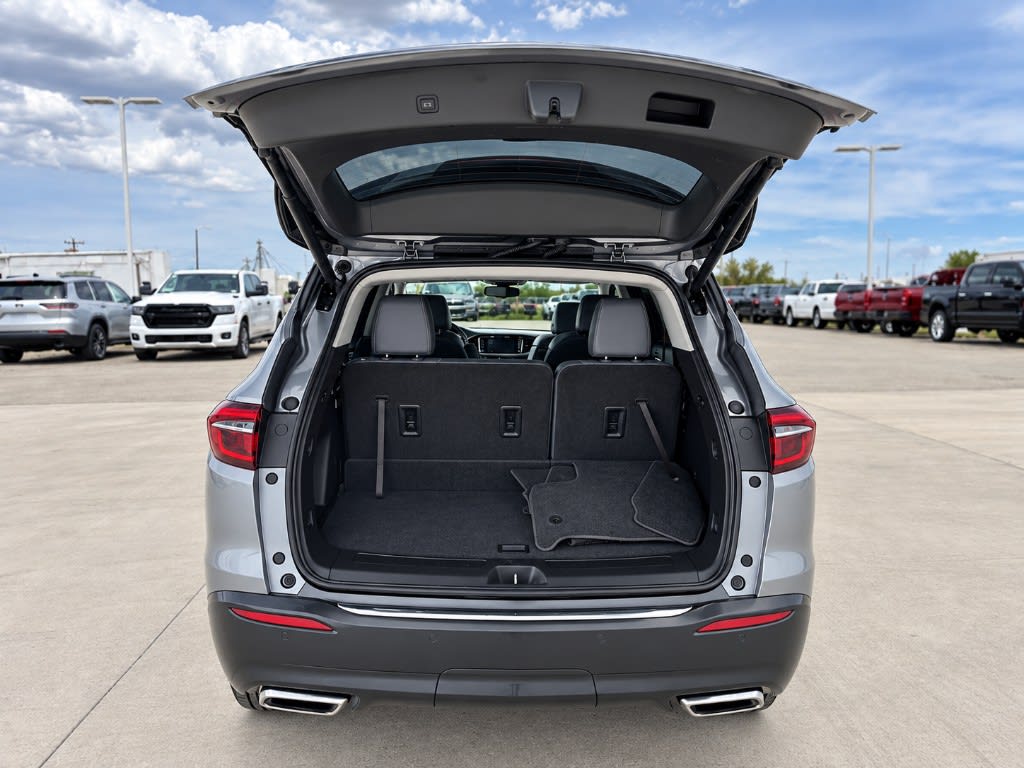
Trunk vs liftgate. Measure the opening. Similar cubic-foot numbers can still load differently.
Parking
Garage door height, bay length, and lot space matter before a road-trip photo does.
Exact vehicle
EPA, IIHS, and NHTSA scores belong to a specific year and configuration, not to every sedan or every SUV.
Sources: EPA FuelEconomy.gov, NHTSA, IIHS.
Used Car vs SUV Decision Table
Use this table to build your first shopping list. Treat each row as a prompt, not a promise about every car or SUV.
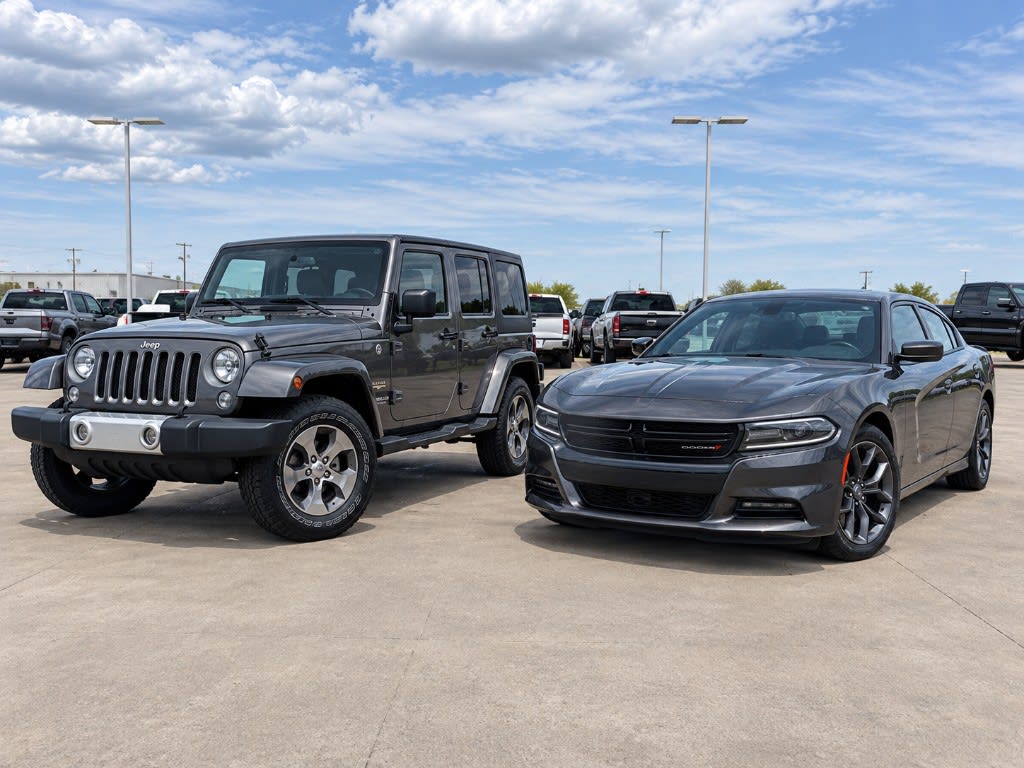
Key differences between SUVs and sedans include seating height, cargo shape, overall size, and available towing equipment. SUVs tend to offer higher ground clearance, but many models are built mainly for paved roads. Some SUVs can tow trailers or carry heavy loads when properly equipped. Most sedans fit tight spaces and narrow streets more easily. The choice depends on your daily driving, long drives, budget, and exact vehicle.
| Your priority | Start by checking a used car | Start by checking a used SUV |
|---|---|---|
| Daily passengers | Your usual group fits comfortably with easy entry and enough rear-seat room. | You need a different seating height, rear-seat access, or an available third row. |
| Cargo | Your bags and gear fit through the trunk or hatch opening without awkward loading. | You need a taller opening, folding rear seats, or more flexible cargo shapes. |
| Parking | The exact car fits your garage, work space, and usual parking spots. | The exact SUV fits those spaces and gives you the seating position you prefer. |
| Fuel use | The exact engine and drivetrain compare well for your driving pattern. | The utility is worth the fuel result shown for the exact configuration. |
| Safety | The exact model year has ratings and equipment that meet your needs. | The exact model year has ratings and equipment that meet your needs. |
| Winter roads | The tires, clearance, drivetrain, and condition fit your normal routes. | The tires, clearance, drivetrain, and condition fit your normal routes. |
Compare Passenger Space and Cargo Use
Bring the things that make space matter. Install your child seat the way you use it. Sit behind the driver after setting the front seat. Open every door. Fold and raise the rear seats. Put your normal luggage, mobility device, dog crate, or work bag through the cargo opening.
Cargo volume on a spec sheet can help narrow a list, but cargo space and interior space feel different in real use. A deep sedan trunk may work well for groceries and travel bags. A compact SUV may offer a taller opening and let you sit higher. Wheel wells, seat angles, roof height, and the opening itself can turn similar-looking numbers into different experiences.
Compare Fuel Economy by Exact Vehicle
Do not assign one fuel economy number to all sedans or all SUVs. Engine, transmission, drivetrain, tires, weight, and model year can change the result. Two versions of the same model may not carry the same EPA estimate.
The EPA says size, weight, power, and other design choices influence fuel economy. Larger, heavier, and more powerful vehicles typically use more fuel than otherwise comparable vehicles. That is a design relationship, not permission to guess which of two used vehicles will win.
Use the federal FuelEconomy.gov comparison tool. Select the exact model year, engine, transmission, and drivetrain shown on each vehicle. Compare city, highway, and combined results against your own driving. Better fuel efficiency during city driving can change fuel costs, but the more fuel-efficient choice must come from the two exact EPA configurations.
Compare the exact configuration
Step 1
Pick model year, engine, and drivetrain on FuelEconomy.gov.
Step 2
Read city, highway, and combined EPA estimates side by side.
Step 3
Match the result to your commute, not to a body style label.
Do not assign one MPG number to all cars or all SUVs.
Before you compare badges
Compare the exact used vehicle, not the body style
NHTSA star ratings should not be used to declare sedans safer than SUVs or the reverse. Tires matter more than a badge in winter.
Safety scores
IIHS says a larger, heavier vehicle can provide more crash protection when other factors are equal. Design still varies.
NHTSA advises against comparing frontal or overall star ratings between sedans and SUVs. Review the model year and configuration.
Winter driving
An SUV badge is not a winter plan. A sedan with suitable tires may fit your routes better than an SUV with worn tires.
Look up EPA estimates for the exact engine, drivetrain, and year. Do not assign one MPG number to all cars or all SUVs.
Sources: NHTSA, IIHS, FuelEconomy.gov.
How to Compare Sedan and SUV Safety
No honest guide can name a body-style safety winner for every crash. IIHS explains that a bigger, heavier vehicle provides more protection than a smaller, lighter one when other differences are held equal. Crash structure, restraints, headlights, driver assistance equipment, and the exact test results still matter.
NHTSA places a key limit on star-rating comparisons. Frontal ratings and Overall Vehicle Scores should be compared among vehicles with the same body style and similar weight. They should not be used to declare a sedan safer than an SUV or an SUV safer than a sedan.
If you prioritize safety, search the exact year, make, model, and variant through NHTSA safety ratings. Read what each rating and its crash tests cover. Check IIHS results for the same model year and note any trim, headlight, safety features, equipment, or build-date limits. A feature name alone does not show how it performed in testing.
What Matters for South Dakota Winter Driving
An SUV badge is not a winter plan. A sedan with suitable tires and good maintenance may fit your routes better than an SUV with worn tires. Drivetrain and ground clearance deserve attention, but they do not replace traction at the tire or careful driving on ice.
NHTSA recommends checking tire condition and using the vehicle manufacturer’s inflation pressure. You can find that pressure on the driver-side door-frame label or in the owner’s manual. NHTSA notes that winter tires work better than all-season tires in deep snow.
On slick roads, slow down and leave more following distance. Those habits apply to every body style and to front, all-wheel drive, or four-wheel drive vehicles. If your normal drive includes paved roads, unplowed lanes, uneven roads, deep ruts, or gravel, test whether the vehicle has the clearance and control you need without assuming every SUV does.
Tires first
Tread depth, tire type, and inflation beat the badge on ice and packed snow.
Clearance and route
Match ground clearance and drivetrain to the roads you actually drive in winter.
Driver habits
Slower speeds and longer following distance help every body style on slick pavement.
Used Vehicle Checks That Apply to Both
Body style comes after condition. A well-fitted vehicle with a poor history or a mechanical problem is still the wrong choice.
The Federal Trade Commission says a dealer must display a Buyers Guide on each used vehicle offered for sale and give it to the buyer after the sale. Read it. It tells you whether the vehicle is sold as is or with a warranty, along with other purchasing information. Get any promises in writing.
Review a vehicle history report, then arrange an independent mechanical inspection. The FTC says a history report does not replace that inspection. A report may show title or reported damage information without revealing a current mechanical problem. An inspection is still useful when a vehicle has been described as certified or previously inspected.
Use the 17-character VIN at the NHTSA recall lookup to search for unrepaired safety recalls. Read the result carefully. A zero-result does not list completed recalls and may not capture every recent, older, international, or non-safety campaign.
Your Used Car or SUV Checklist
Test-Drive a Used Car and SUV Back to Back
A back-to-back drive can settle questions that online research cannot. Use a similar route and give each vehicle the same tasks. Park in a normal space. Make a safe turn in a tight area. Join a highway if conditions permit. Drive over a rough patch. Listen with the audio off.
Check seat entry, steering effort, brake feel, ride comfort, better visibility from a higher driving position, and the feel of a lower center of gravity through safe turns. Ask every regular driver to sit in both vehicles. Compare options on the same route so your informed choice reflects how you enjoy driving.
Shop Used Cars and SUVs at Wareing Motors
Start with all used vehicles at Wareing Motors when you want to compare body styles across the group. If your checklist points toward a crossover or SUV, browse the dedicated used SUVs for sale page.
Rapid City shoppers can use the used cars near Rapid City guide or go straight to used SUVs near Rapid City. Each live listing identifies the location associated with that vehicle. Confirm availability, equipment, condition, and history details before you travel.
You can review the Wareing Motors Finance Center, start a trade value request, or compare Wareing Motors locations. Approval, rates, terms, and final trade value require an individual review.
Used Car vs SUV FAQ
Is a used car or used SUV better?
Neither body style is automatically better. A car may fit drivers who prioritize compact exterior dimensions and commuting. An SUV may fit shoppers who need a taller seating position or more flexible cargo loading. Compare the actual vehicles against your passenger, cargo, parking, and travel needs.
Are SUVs safer than sedans?
Not automatically. IIHS says a larger, heavier vehicle provides more crash protection than a smaller, lighter vehicle when other factors are equal. Design and crash performance still vary. NHTSA advises against comparing frontal or overall star ratings between sedans and SUVs, so review the exact model year and configuration.
Which gets better fuel economy, a sedan or an SUV?
EPA says larger, heavier, and more powerful vehicles typically use more fuel than otherwise comparable vehicles. Results vary by engine and drivetrain. Use FuelEconomy.gov to compare the exact model year, engine, transmission, and drivetrain of each vehicle.
Do I need an SUV for South Dakota winter driving?
Body style alone does not determine winter performance. Review the vehicle’s drivetrain, ground clearance, tires, and condition. NHTSA recommends proper tire inflation, adequate tread, slower speeds, and greater following distance on slick roads.
What should I check before buying either one?
Review the FTC Buyers Guide, obtain a vehicle history report, arrange an independent mechanical inspection, and search the VIN for unrepaired recalls through NHTSA. The FTC notes that a history report does not replace a physical inspection.



0 comment(s) so far on Used Car vs SUV: Which Is Right for You?