

Most Reliable Used Trucks
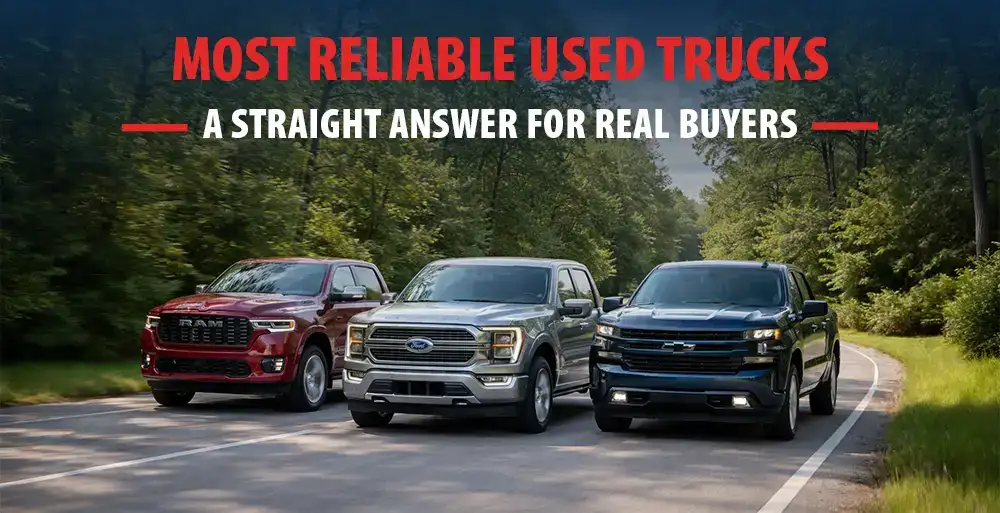
The short answer: Start with the individual truck, not a brand ranking. Compare the exact model year and powertrain, documented maintenance, current condition and the work you need it to do. Then arrange an independent pre-purchase inspection before deciding.
Ford F-150, Ram 1500, Chevrolet Silverado, Toyota Tundra, Toyota Tacoma, Nissan Frontier and Honda Ridgeline are useful starting points for a mixed-make shopping list. They cover different needs, so putting them in a single first-to-last ranking would leave out the part that matters most: which actual truck you are buying.
If you are searching for the most reliable used trucks, use this guide to narrow your choices, identify questions for the seller and compare ownership costs. You will find model-family considerations, a size and hauling framework, and a practical way to separate a promising listing from a truck that needs more investigation.
You can start with used trucks at Wareing Motors. Availability changes, so confirm the location and details of any truck before visiting.
What makes a used truck reliable?

A model name gives you a place to start researching. It cannot tell you how the previous owner maintained one particular pickup or what that truck needs today.
For your shortlist, look for evidence in four areas:
- Maintenance: Dated invoices or service entries that make sense for the mileage, age and manufacturer’s schedule.
- Condition: An inspection covering the engine, transmission, cooling system, brakes, steering, suspension and structure.
- Configuration: The engine, transmission, drivetrain and equipment actually fitted to the truck.
- Fit for your work: Enough rated capacity for your passengers, cargo and trailer without relying on an advertised maximum for a different configuration.
Ask for the VIN early. Use it to check recall status and to help confirm the truck’s identity and equipment. A clean recall search is useful, but it is not a mechanical inspection or a guarantee of reliability.
The FTC recommends an independent inspection even when a used vehicle has already been inspected by the dealer. A history report can help you investigate the past, but it does not replace a mechanic’s assessment of current condition.
Put the records in order
Start with the oldest available record and follow the mileage forward. Look for routine servicing, repairs and unresolved recommendations. A stack of receipts is more useful when you can connect each item to the truck you are considering.
If there is a long gap, ask what happened during that period. Missing paperwork is not proof of neglect, but it leaves a question to resolve. Ask the inspecting shop what can be checked and what remains uncertain.
You do not need to diagnose the engine yourself. You need enough documented information to decide whether the purchase makes sense and what work to budget for next.
Used truck models to compare for long-term ownership
The following model families are a shopping framework, not a reliability leaderboard. Avoid transferring a recommendation from one model year or engine to every truck carrying the same badge.
Ford F-150
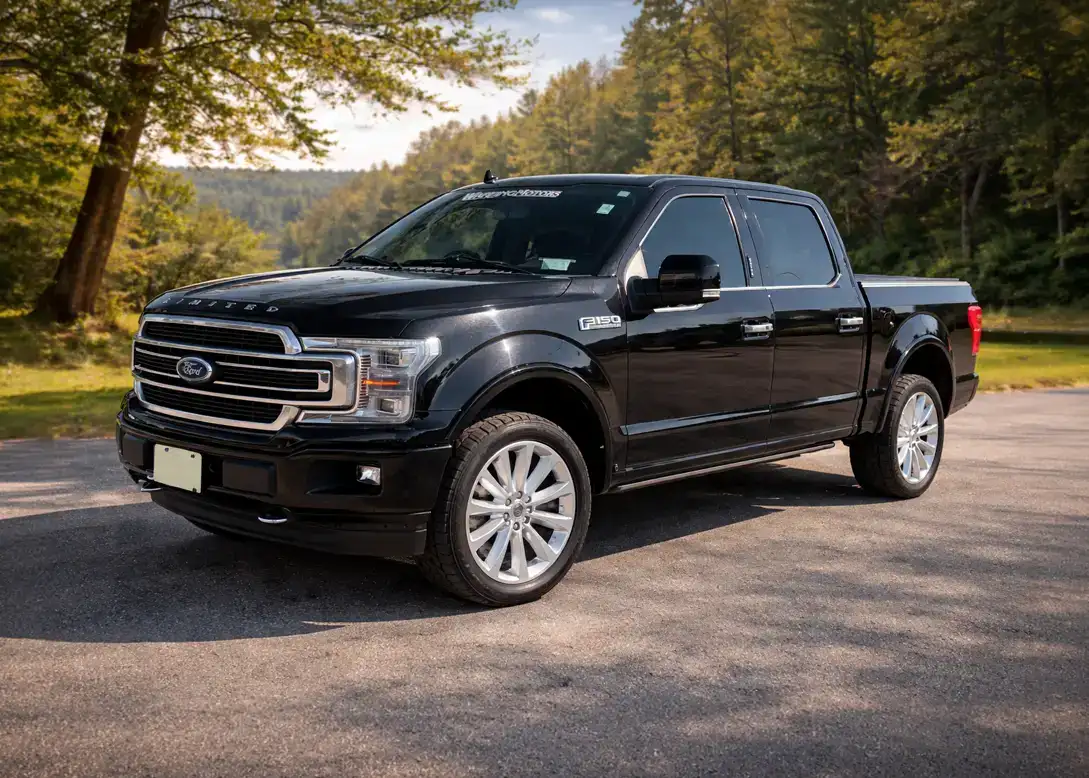
When an F-150 catches your eye, get beyond the trim name. Identify its model year, engine, transmission, cab, bed and drivetrain before comparing it with another listing.
Ask for the relevant maintenance schedule and records, then have the inspector assess how it starts, runs and shifts. If towing is part of your plan, confirm the installed equipment and the ratings for that configuration. A receiver hitch on the back does not establish the truck’s complete towing specification.
Keep the search focused on actual examples you can inspect. A well-photographed truck with unexplained symptoms still needs answers, regardless of how popular its engine is in online discussions.
Our used F-150 model-year guide gives you a separate starting point for Ford-specific research. Bring the VIN and service history into that comparison rather than treating a recommended year as an automatic approval.
Ram 1500
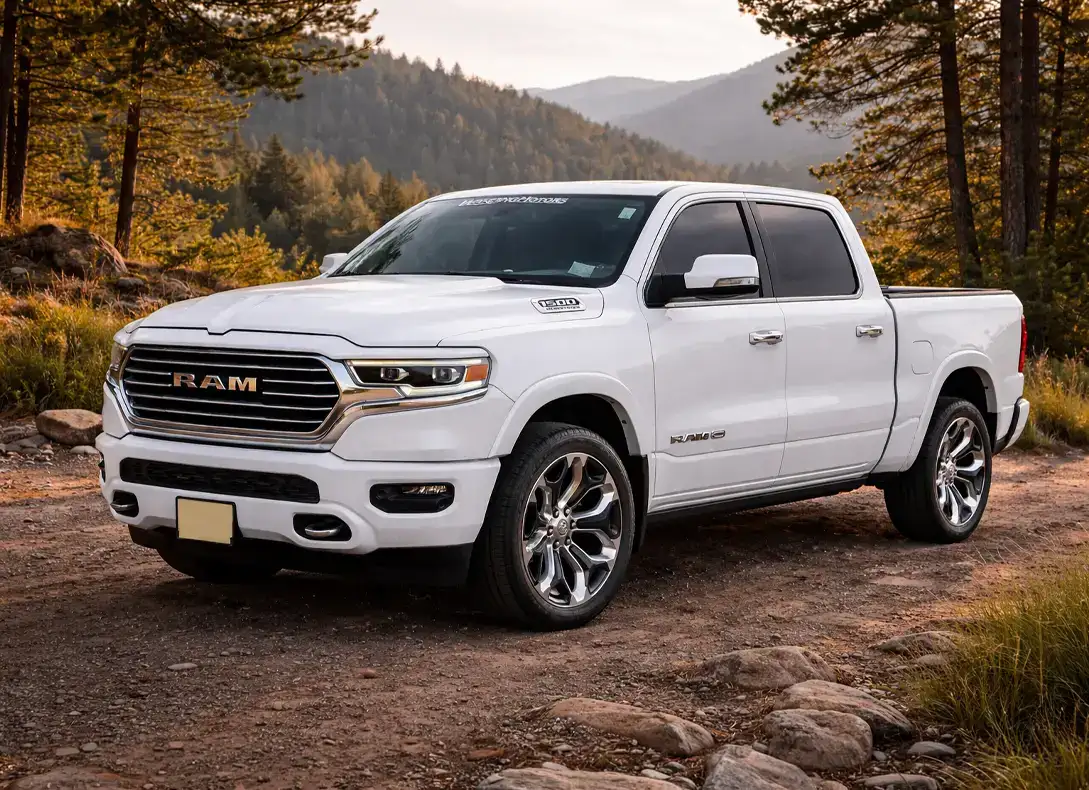
For a Ram 1500, compare the precise generation, engine and equipment alongside the mileage. Use the test drive to decide whether the seating, controls, visibility and ride suit your daily routine.
Ask the seller to explain previous repairs and identify any warning lights or symptoms that still need attention. Have a technician evaluate those concerns before you negotiate around them. An assurance that a noise is normal is less useful than a documented diagnosis.
If the truck has equipment you have not owned before, ask what inspection and maintenance it requires. Match that information to the owner’s manual for its year.
For a pickup that will carry your family during the week and pull a trailer on weekends, check both jobs. Seat comfort and trailer capacity are separate decisions, and both need to work for you.
Chevrolet Silverado
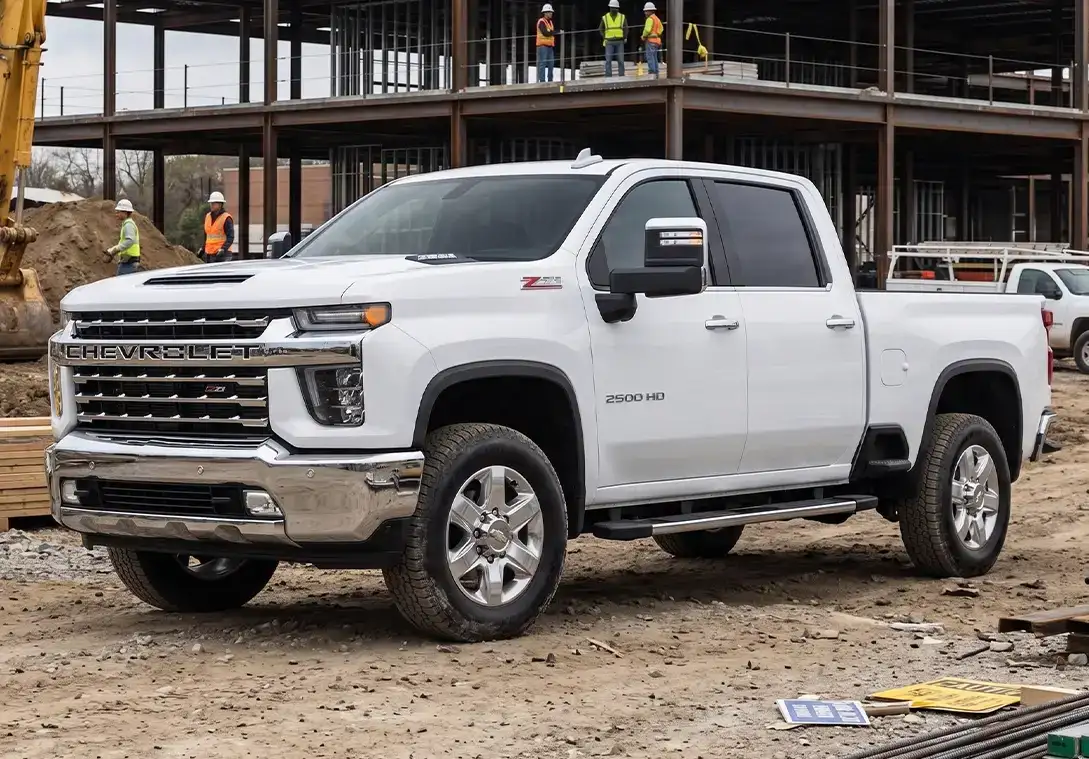
Start by identifying which Silverado you are looking at. A Silverado 1500 and a heavy-duty Silverado are not interchangeable choices simply because they share a name.
For the exact year and powertrain, review maintenance records and ask about major engine or transmission work. If repairs were completed, request the invoice and have your inspector explain what was addressed. A replacement component should be evaluated on its documentation and condition, not assumed to make the truck either perfect or unsuitable.
Do not turn a general discussion of GM engines into a diagnosis of a particular truck. Verify whether the concern applies to its engine, year and VIN.
If northern Wyoming is convenient, the used-truck page at Wareing Sheridan Chevrolet is one place to compare available vehicles. Confirm the actual truck’s location and configuration before making the trip.
Toyota Tundra
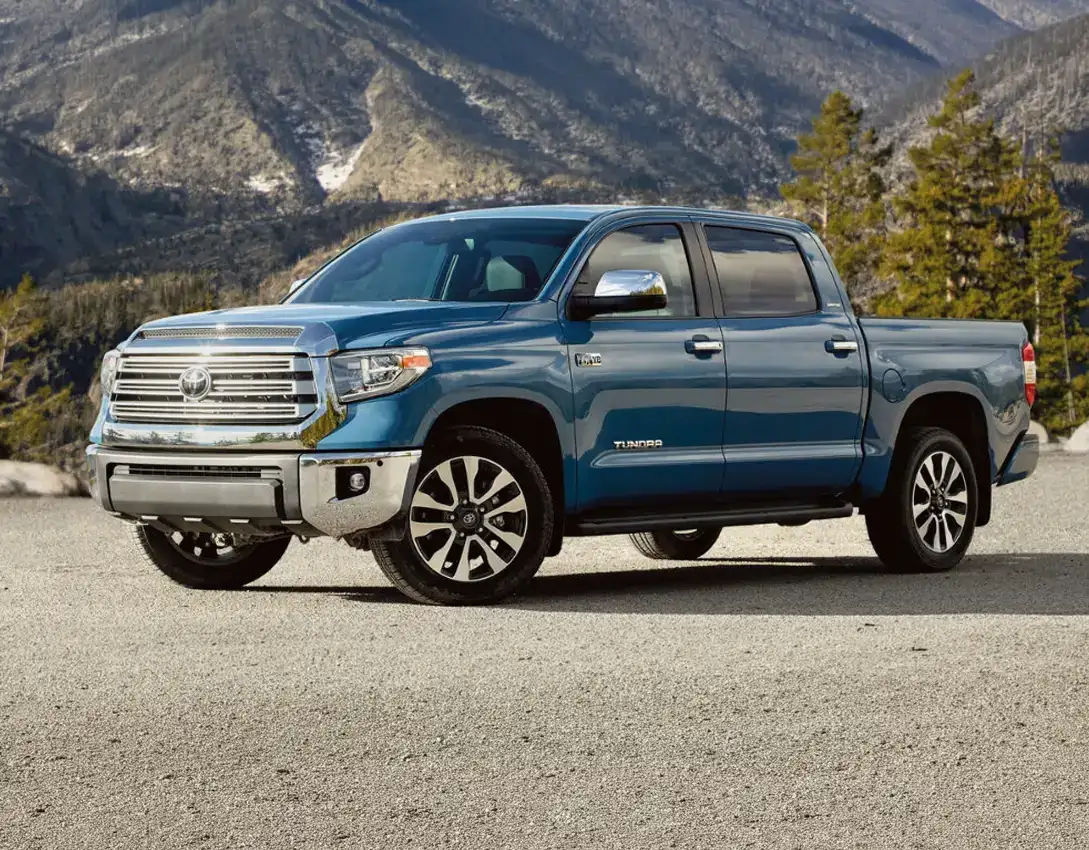
Research a Tundra by its model year and powertrain. Advice about one generation should not be carried over to a different generation without checking the details.
Ask the same questions you would ask about any other full-size pickup: What maintenance is documented? What repairs have been made? What remains due? Is there an open recall associated with the VIN?
A reputation for longevity does not remove the need to inspect the frame, suspension, engine and transmission. It also does not tell you whether the purchase price leaves room for upcoming work.
Include fuel use in your comparison. Look up the exact available EPA configuration rather than assuming all Tundras have the same running costs. Use Toyota’s year-specific manuals and maintenance information when discussing service with the seller or inspecting shop.
Toyota Tacoma
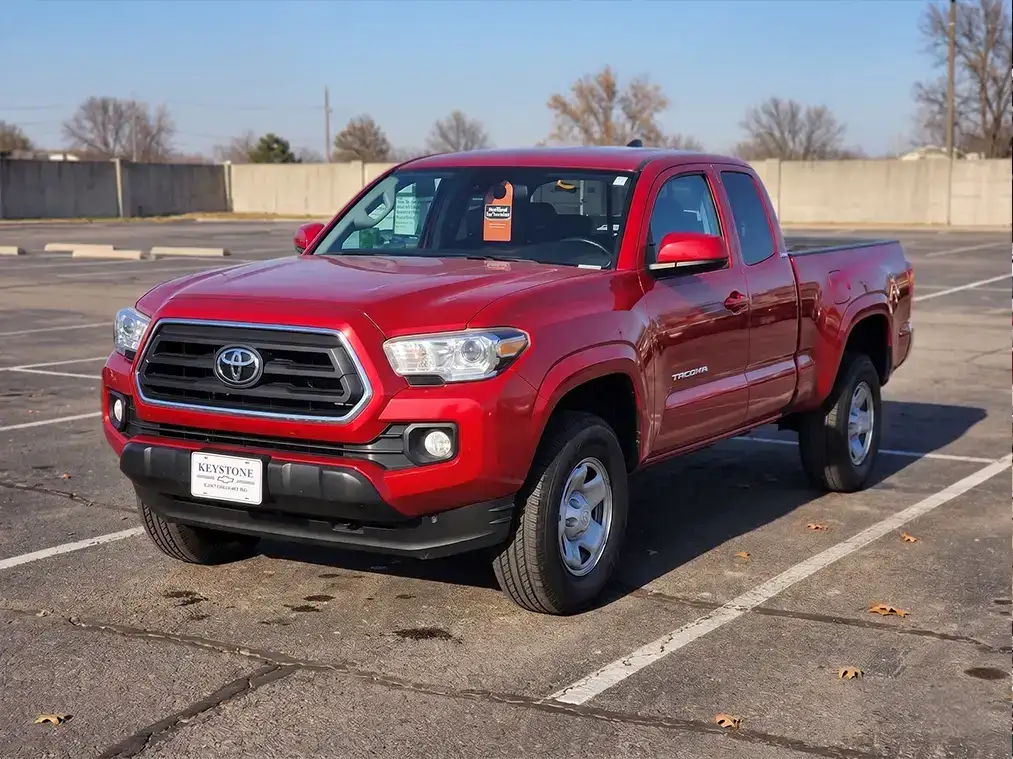
Put a Tacoma on your comparison list when you are considering a midsize pickup, then check whether its cab, bed and rated capacity fit your needs.
Sit in the actual truck, check the rear-seat space if you will use it, and bring measurements for the cargo you carry. A truck that suits somebody else’s camping setup may not suit your tools, passengers or parking space.
Ask the inspector to examine the underside and evaluate corrosion or previous repairs. Do this for every used pickup, not only a Tacoma. Photos of clean body panels cannot establish the condition of the structure underneath.
Confirm the engine, transmission and drivetrain rather than relying on a broad “Tacoma reliability” claim. The right question is whether this truck, with this history, is a sensible purchase for your use.
Nissan Frontier
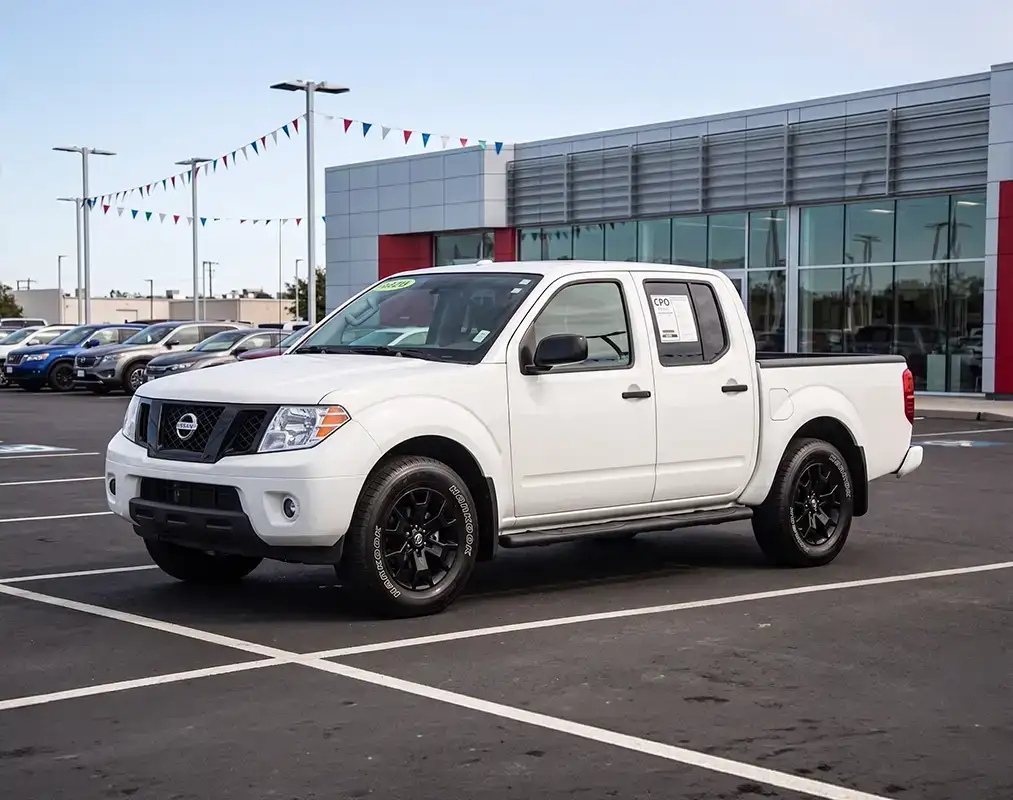
A Frontier belongs in a midsize comparison when its dimensions and capability match your plans. Check the model year and powertrain first, then compare it with similarly equipped alternatives.
Avoid assuming that an older-looking design must be simpler to maintain or that a lower asking price automatically means better value. Have the truck inspected and price the work it needs before deciding.
Nissan provides owner manuals by model and year. Use the correct manual to discuss maintenance requirements, operating instructions and towing limits for the truck in front of you.
During the test drive, pay attention to the same practical issues you would with a larger pickup. Can you see comfortably? Does the cab fit? Are there unexplained vibrations, noises or warning lights to investigate? Those answers are more useful than a generic label such as “underrated.”
Honda Ridgeline
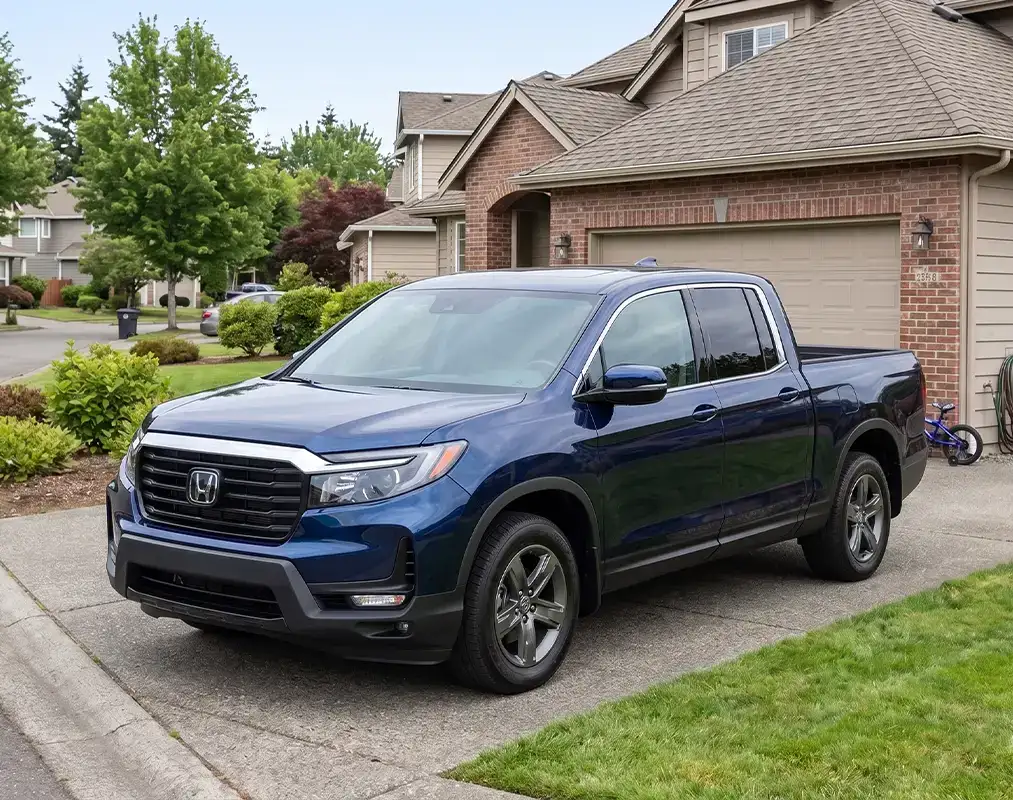
Include a Ridgeline in your comparison if you want to assess a pickup for everyday driving, passengers and household hauling. Test whether its seating, bed and storage arrangement work for the things you actually carry.
Confirm its ratings before planning trailer use. Do not substitute a reviewer’s description of the truck for the manufacturer’s limits.
Check the maintenance information for its model year. Honda’s Maintenance Minder guidance directs owners to the vehicle-specific manual for the meaning of service items. Ask for receipts showing what was completed rather than treating a reset dashboard reminder as proof of the work.
As with the other models here, the purchase decision comes back to the individual vehicle. A comfortable test drive is important, but it should sit alongside records, an inspection and a realistic ownership budget.
Choosing the right size truck
Write down your ordinary week before choosing a size. Include passenger count, parking, commute, bed use and trailer trips. Then add the occasional job you genuinely need the truck to handle.
A midsize pickup may provide the space and capacity you need. A full-size or heavy-duty truck may be necessary for a different load. Check the specifications of the actual candidates instead of assuming every larger truck is more capable in every way.
Consider these practical details during a visit:
- Can you get into the cab comfortably?
- Will the rear seats work for the people who regularly travel with you?
- Does the bed accommodate your equipment?
- Can you park it where you live and work?
- Are you comfortable with visibility when backing and turning?
- Does the exact truck meet the load requirements you have written down?
For South Dakota and Wyoming winter driving, also identify the drivetrain and the tires fitted to the truck. Our 4WD versus AWD winter guide covers that decision separately. Keep traction needs and reliability research as related but distinct parts of your purchase.
Choose based on hauling and towing needs
Horsepower alone cannot tell you whether a truck is suitable for your trailer. Use the manufacturer’s ratings and instructions for the actual configuration.
Payload includes the weight the truck carries, including occupants and cargo. Trailer tongue or pin weight also uses available carrying capacity. Accessories added to the truck can reduce the remaining allowance.
Start with the truck’s labels and the correct owner’s manual or towing guide. Check the vehicle, axle, combined-weight and hitch limits that apply to your setup. Do not exceed any applicable rating because another number appears generous.
For your shopping notes, record:
- The passengers and cargo you expect to carry.
- The trailer’s loaded weight, not just its empty advertised weight.
- The weight the trailer places on the truck.
- The installed hitch and towing equipment.
- The exact truck’s relevant weight ratings.
Ask for help if the numbers do not reconcile. Guessing from the badge or a tow-package description is not enough.
Our used trucks for towing guide offers a separate towing-focused comparison. This page is your broader reliability and ownership checklist, so use both without letting one replace the other.
Choose based on fuel economy and ownership costs
Look up fuel-economy information for the exact model year, engine, transmission and drivetrain where EPA data is available. FuelEconomy.gov provides a side-by-side comparison tool, which is more useful than comparing two truck names without their configurations.
Treat published estimates as comparison figures. Your driving, loads and conditions affect actual fuel use.
For a simple planning exercise, divide your expected annual miles by the MPG assumption you are using, then multiply by your assumed fuel price. Run the same calculation for each candidate. Label it as an estimate, and do not assume the truck will deliver that result.
Build a separate allowance for maintenance and repairs. Before deciding, collect:
- An insurance quote for the specific vehicle.
- Estimates for work identified during inspection.
- The next scheduled services.
- Tire replacement costs if replacement is approaching.
- Any registration, tax or other purchase costs that apply.
A cheaper truck with several unresolved repairs deserves a different comparison from one that costs more but needs less immediate work. Keep the total purchase and ownership picture visible rather than shopping only by the monthly payment.
Choose based on long-term reliability signals
At this stage, your shortlist should be small enough to investigate properly. Use our used truck inspection checklist for the detailed walkaround and inspection discussion.
Compare mileage with the history
Mileage matters, but it should not work as an automatic pass or fail. Ask what kind of use produced those miles and what maintenance accompanied them.
If a seller describes mostly highway driving or occasional towing, treat that as a statement to consider alongside records and condition. It is not something a clean interior proves.
Likewise, do not assume a low-mileage truck needs nothing. Review time-based service requirements and have age-related wear assessed. Ask the shop to identify what needs attention now and what you should plan for later.
Separate evidence from reassurance
“Never had a problem” and “these engines run forever” do not answer a specific inspection finding. Ask for an explanation you can evaluate.
A useful written inspection identifies the vehicle and separates observations from recommended repairs. Discuss whether further diagnosis is needed before purchase. You may decide a repair is manageable, but make that decision with a scope and estimate rather than a guess.
If an independent inspection cannot be arranged, consider another truck. You do not need to rush past an unanswered question because the listing looks attractive.
Check recalls without treating them as a ranking
NHTSA’s VIN search can identify unrepaired safety recalls within the tool’s coverage. Its results have limits, including some older recalls and recently announced campaigns whose VINs are still being added.
Check with the manufacturer as needed, and follow any interim safety instructions. Confirm completion of applicable recall work rather than assuming a previous owner handled it.
Recall count alone is not a complete reliability score. Your inspection still needs to address current mechanical condition and any concerns outside a recall campaign.
Which trucks make sense for different buyers?
Use your needs to build the shortlist, then let the evidence decide between individual trucks.
- Daily driving and household hauling: Compare cab comfort, bed usefulness, parking and ownership costs. A midsize candidate may meet the job without requiring a larger pickup.
- Passengers plus weekend trailer use: Check seating and loaded-trailer requirements together. A comfortable cabin does not answer the payload question.
- Regular equipment or heavier trailer work: Start with the weight calculations, then consider which full-size or heavy-duty configurations satisfy them.
- Rural driving and winter travel: Evaluate tires, drivetrain operation, ground clearance and your routes using the manufacturer’s instructions.
- A limited purchase budget: Prioritize condition and documented needs. Leave room for the maintenance and repairs you already know about.
These are starting points for comparison, not promises about a particular model. If two candidates meet your needs, compare their inspection findings and records before choosing based on trim or appearance.
Where to shop for reliable used trucks
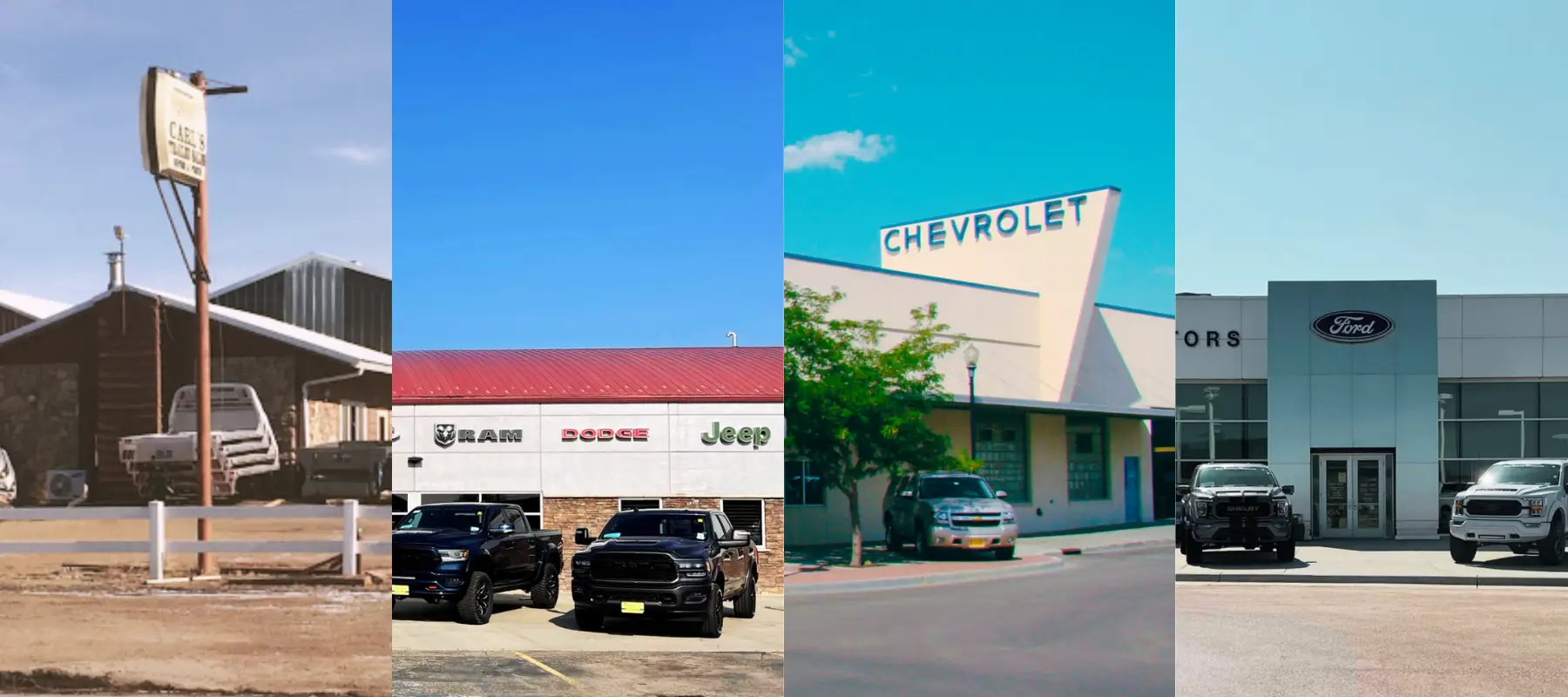
Begin with listings detailed enough to identify the truck, then ask for the information that is missing. Before traveling, confirm availability, location, VIN and the configuration you intend to inspect.
At Wareing Motors, you can use the group and dealership pages below to start your search. Ask the store handling a specific vehicle about its available records, equipment and inspection arrangements.
Keep a short written comparison for each candidate: price, configuration, documented service, inspection findings and expected near-term work. That gives you a clearer discussion than trying to remember every detail after several test drives.
Do not assume a warranty, certification or particular service is included. Ask what applies to the vehicle and review the actual terms before purchasing.
Explore used truck pages across Wareing dealerships
- Used trucks at Wareing Motors
- Used trucks at Belle Fourche Ford
- Used inventory at Belle Fourche CDJR
- Used trucks at Wareing Sheridan Chevrolet
- Used trucks at Wareing Sturgis Ford
Confirm current stock and location with the dealership before visiting.
FAQ about reliable used trucks
What is the most reliable used truck to buy?
Choose from vehicles with documented maintenance, suitable specifications and an independent inspection you are comfortable with. This guide does not rank one brand as universally most reliable. An individual truck’s condition can change the decision even when you prefer its model.
What is the best second-hand pickup for my budget?
Start with the work it must do, then compare purchase price and expected ownership costs. Include any repairs identified during inspection. The most useful shortlist contains actual trucks you can investigate, not just a list of model names.
Which used trucks should I stay away from?
Be cautious about unresolved warning lights, unexplained mechanical symptoms, serious structural concerns, inconsistent paperwork or a seller unwilling to allow an independent inspection. Ask a qualified technician to assess the problem. Avoid condemning an entire model year based only on one owner’s story.
What truck will last 500,000 miles?
No truck in this guide comes with that guarantee. An exceptional high-mileage example cannot predict another truck’s future. Ask what maintenance and major repairs occurred along the way, then judge your candidate on its own records and condition.
Can a pickup last a lifetime?
“Lifetime” is not a useful purchase specification. Define how long you expect to keep the truck, how you will use it and what maintenance you can support. Budget for wear and repairs rather than expecting a vehicle to remain unchanged indefinitely.
What are the most reliable trucks of the last 10 years?
Narrow that question to the years, engines and configurations you are considering. Model families change over time. Check year-specific manuals, recalls, service records and inspection findings instead of assuming a decade-wide recommendation applies to every version.
What trucks do mechanics recommend?
Ask your mechanic about the exact candidates on your shortlist and the evidence behind the recommendation. There is no single recommendation shared by every technician. A written assessment of the truck you may buy is more useful than an unsupported claim that mechanics favor one brand.
Is a vehicle history report enough?
No. It provides background information but does not replace an independent mechanical inspection. Use both, and investigate discrepancies between the report, service records and vehicle condition before committing.
Is an older truck with fewer features more reliable?
Fewer features alone do not establish reliability. Age, maintenance, corrosion, use and current condition still matter. Compare the specific trucks and the work each needs rather than assuming older or newer automatically means better.
Find a used truck that fits the job
The most reliable used trucks for your shortlist are the ones you can evaluate with real information. Confirm the configuration, review the records, check the ratings and arrange an independent inspection.
Start with Wareing Motors used trucks, then contact the location handling your preferred vehicle. Bring your questions and load requirements so the conversation stays focused on the truck you need.



0 comment(s) so far on Most Reliable Used Trucks